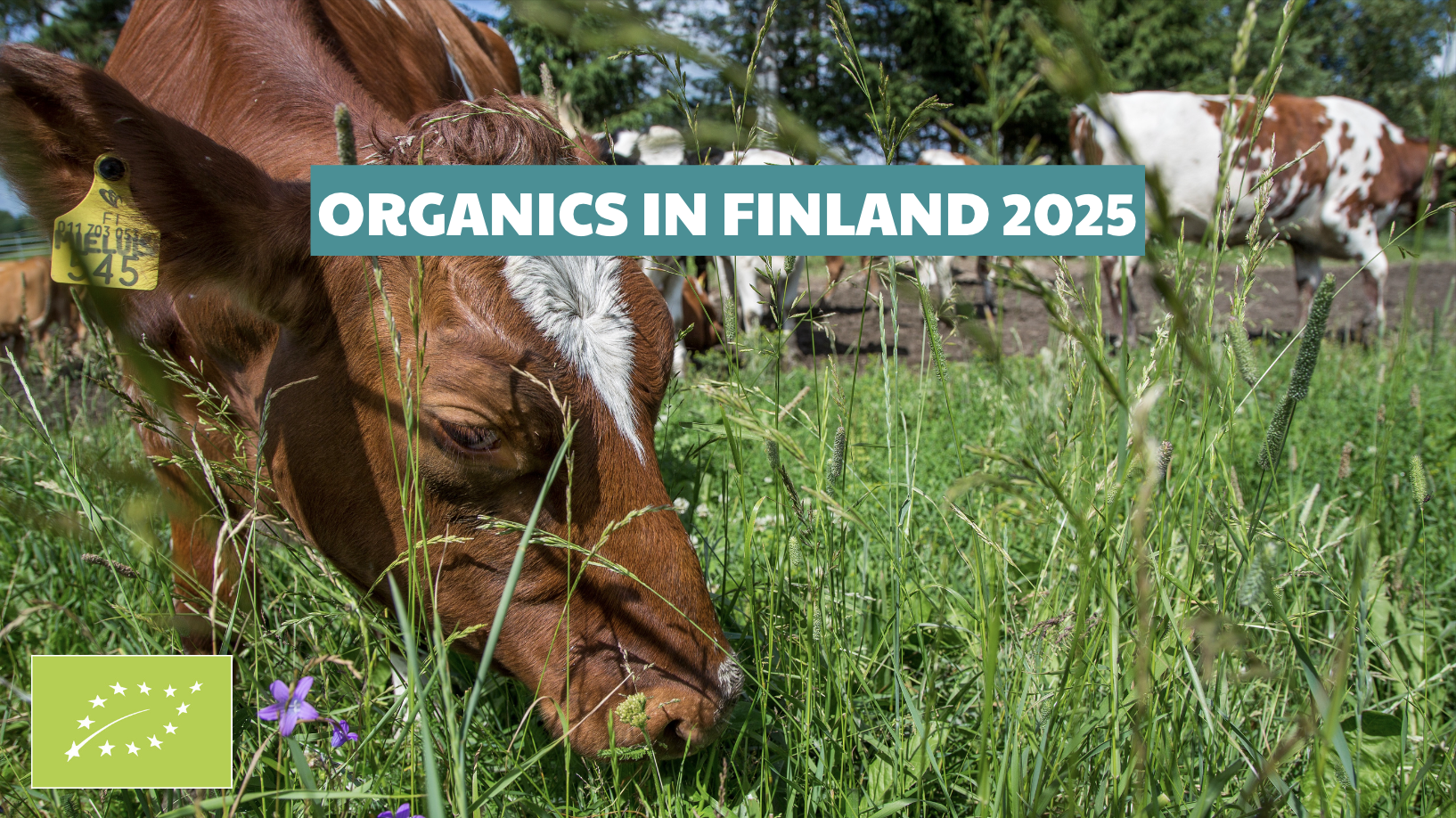
The organic sector in Finland showed much-needed signs of growth in 2025: the market finally returned to growth, yields increased for many cereal and horticultural crops, and the area under organic cultivation remained stable. Records were also broken, with the harvest of organic horticultural berries reaching almost one million kilos. The Organics in Finland report brings together publicly available statistics on organic farming and the organic market.
In 2025, the area of organically farmed land in Finland returned to growth after two years of decline, reaching a total of 309,757 hectares. Organic farmland accounted for 13.9% of Finland’s total agricultural area, unchanged from the previous year.
There were 3,868 organic farms in Finland in 2025. The decline in the number of organic farms has slowed considerably over the past two years compared with 2023, when the number of organic farms fell by around 700. At the same time, the average size of organic farms continued to increase, reaching 80.1 hectares last year. The average size of all farms in Finland was 57 hectares.
The harvest of organic cereals – wheat, rye, barley and oats – increased by 4% to 144 million kilos. Oats accounted for 74% of the total organic cereal harvest and were the most widely grown organic cereal in all regions except Åland and Lapland. In percentage terms, the largest increase was recorded for organic rye, with production rising by 50% compared with the previous year. Organic cereals accounted for 4% of Finland’s total cereal harvest.
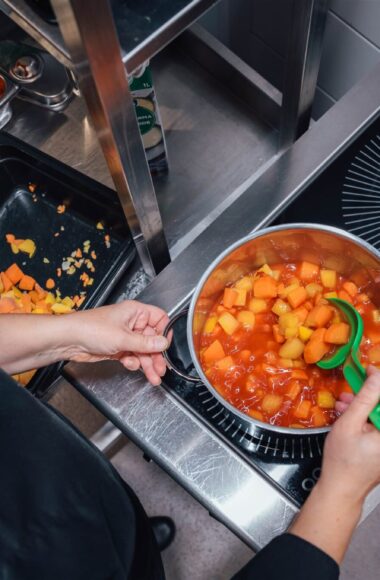
Horticultural production also saw strong increases in yields, with production of potatoes, carrots, onions, tomatoes and berries all growing.
Organic market returns to growth
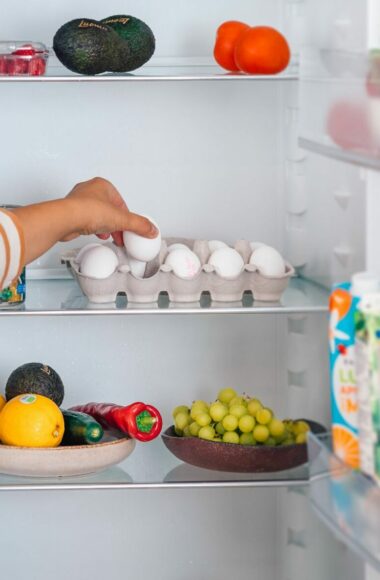
Between 2022 and 2024, sales of organic products declined due to factors including rising food prices and consumers’ weakened confidence in their personal finances. Last year, the decline came to a halt, and the value of organic sales returned to modest growth of 2%. Organic products generated €342 million in sales through grocery retail, while organic’s share of total grocery retail sales remained unchanged from the previous year at 1.8%.
According to a consumer survey (Kantar Agri 2025), 30% of Finns are active organic buyers, meaning they purchase organic products at least once a week. Active organic buyers are particularly concentrated among people under 30, families with children and people with higher levels of education.
Interest in organic products increased particularly among young men aged 18–29. 42% of men in this age group say they buy organic products weekly, an increase of 12 percentage points compared with the previous survey in 2023.
The share of active organic buyers exceeds the national average in seven regions: Lapland, South Savo, Kanta-Häme, Uusimaa, Päijät-Häme, Central Finland and Southwest Finland.
The Organic in Finland 2025 compilation published by Pro Luomu summarizes the results of public organic statistics and the latest surveys of the organic sector. The information in the compilation includes: Statistics from the Finnish Food Authority and the Natural Resources Institute Finland, as well as studies and studies commissioned by Pro Luomu.
This summary of Organic Finland 2025 has been produced by the project “Verkostoilla voimaa yhteistyöhön – Coordination in the Food Sector” funded by the Ministry of Agriculture and Forestry.