
Organic products worth €342 million were sold in Finland’s grocery stores in 2025, according to an estimate by the Finnish Organic Food Association Pro Luomu. After four challenging years for the organic food sector, the decline in organic sales has halted, and sales value returned to a moderate 2 per cent growth last year. The market share of organic products in grocery stores remained at 1.8 per cent, as in the previous year. Pro Luomu bases its estimate of organic sales on data collected from Finnish retail groups.

In the large product categories important to organic, sales value rose in 2025 for milk, fruit, vegetables, and eggs. Growth was particularly strong in the dried fruit, nuts, seeds, and sweeteners categories. In the sweeteners category, growth has been driven especially by the positive development of organic honey sales.
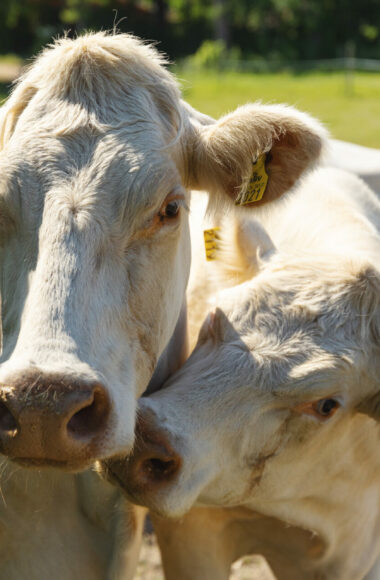
Organic milk — swimming against the current
The organic market shows certain trends that differ from those in other markets. According to 2025 sales statistics from the Finnish Grocery Trade Association (PTY), organic sales of liquid dairy products, butter, and margarine grew in both value and volume, despite an overall market decline in corresponding product categories.
“Organic milk production is extremely important for Finnish organic production. That is why it is especially positive that sales of organic milk and products derived from it are also picking up in the grocery market,” says Aura Lamminparras, Executive Director of Pro Luomu.

Organic tofu — the top-selling plant-based protein
The widely publicised rise in demand for tofu last year was also clearly reflected in the development of the entire organic market. In the tofu category, the share of organic products is exceptionally high, and the majority of products are subject to organic control.
“The top-selling plant-based proteins are organic, and interest in them still seems to be growing. This suggests that informed consumers are often interested in several aspects of sustainability at the same time: a plant-based orientation and organic production,” says Aura Lamminparras.
According to a consumer survey on organic products (Kantar Agri 2025), interest in plant‑based substitutes for meat or milk is highest among active buyers of organic products, meaning those who buy organic at least once a week, and especially in the group of young adults aged 18–29.

Innovation key to boosting organic sales
As in the previous year, organic sales in plant‑based beverages and meat products declined, but sales of organic minced meat showed an increase.
“Sales of organic products reflect general consumption trends. The debate surrounding nutritional recommendations likely also affects the demand for organic tofu, fresh and dried fruit, and meat products, in the organic market as well, and the shortage of minced meat, in turn, spurred on the sales of organic minced meat,” Lamminparras analyses.
Active buyers of organic products are more likely than others to say they aim to increase their purchases of organic meat products. However, Finns are consuming more broiler and turkey and increasingly opting for ready-made meals, and in these categories, organic options are very limited.
“We expect positive development in the organic market also in the future, but it also requires new organic products to be developed and launched,” says Lamminparras.

For more information, please contact:
Aura Lamminparras, Executive Director, Finnish Organic Food Association Pro Luomu ry, tel. 040 556 8097, aura.lamminparras@proluomu.fi
This press release is part of Organic Comeback, a project funded by the European Union. The views and opinions expressed are solely the views of the authors of this text and do not necessarily correspond to the views of the European Union or the European Research Executive Agency (REA). The European Union and the granting authority are not liable for them.